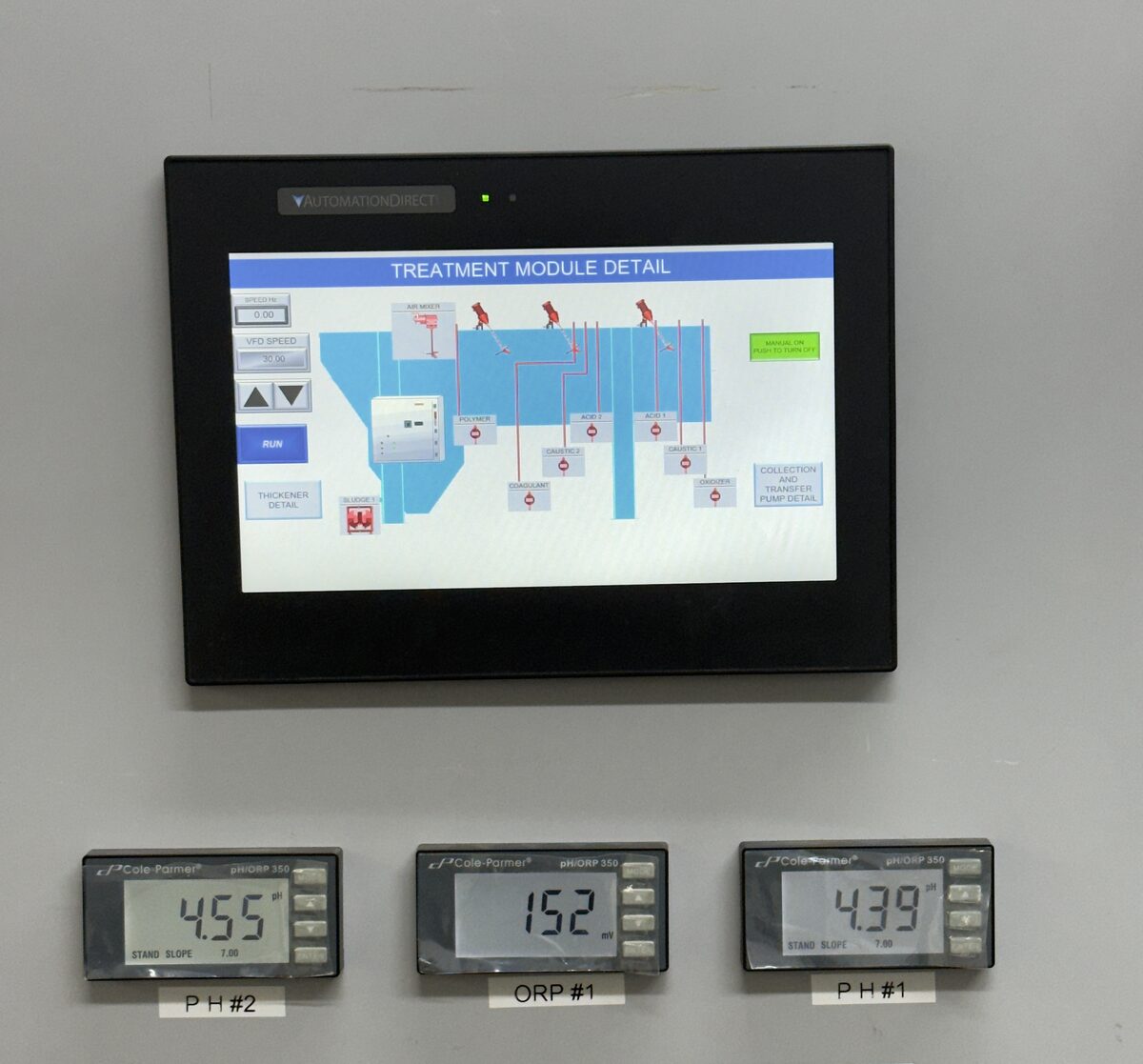
Industrial Water Treatment Across Oklahoma.
Oklahoma City and Tulsa metro service from a Fort Worth headquarters. Cooling tower programs, boiler treatment, and industrial wastewater chemistry — designed around Oklahoma's makeup water profile, ODEQ regulatory requirements, and the operational reality of energy, manufacturing, and aerospace facilities across the state.
Oklahoma Industrial Water Runs Energy-Heavy.
Oklahoma's industrial water treatment market sits on top of its energy sector. Oklahoma City and the surrounding metros run cooling towers, process steam, and wastewater treatment for oil and gas operations, midstream pipeline infrastructure, manufacturing, and the commercial campuses that grew up around the energy economy. Tulsa carries a similar profile with stronger aerospace exposure and a manufacturing base that benefits from the state's low energy costs. The chemistry challenges are real: high-salinity makeup water in western Oklahoma, freeze-prone outdoor systems, and a regulatory environment that runs cooler than its neighbors but still requires real compliance documentation.
Industrial discharge in Oklahoma runs under the Oklahoma Department of Environmental Quality (ODEQ), which administers NPDES permits, industrial pretreatment programs, and the state's hazardous waste regulations. ODEQ's enforcement approach tends to be less aggressive than TCEQ across the southern border, but the regulations themselves carry the same federal underpinning. Programs that work for Oklahoma facilities still need full chemistry documentation, sampling records, and corrective-action protocols when limits move. A "less paperwork" assumption catches Oklahoma operators by surprise during audits.
For Lone Wolf's Oklahoma customers, the operational reality is service distance. Fort Worth is ~3 hours from OKC and ~4.5 hours from Tulsa — close enough to maintain weekly or biweekly site visits without compromising chemistry rigor, but far enough that the rep relationship matters. Oklahoma accounts get a dedicated rep who knows the territory, plans visits around regional travel rhythm, and is reachable between visits. The chemistry programs are the same as Texas: cooling tower programs sized to your LSI, boiler treatment engineered for your makeup water, wastewater programs designed around your specific ODEQ permit. The service model just adapts to the geography.
Oklahoma's makeup water profile drives chemistry choices that don't translate directly from the Gulf Coast. Tulsa-area municipal water tends to run softer than DFW supply but carries higher organic load — biocide programs need to be sized for the biological demand, not just the system volume. OKC supply varies seasonally with surface vs. groundwater blend, which means inhibitor programs benefit from monthly makeup chemistry reverification rather than the once-a-year baseline that works for more stable municipal sources. Western Oklahoma operations on private wells run the gamut from soft-and-fresh to mineralized-and-salty within a few counties — programs are designed around the actual well chemistry, not a regional average.
The energy sector exposure is the operational story. OKC's downtown commercial cooling load is supported by an energy-services infrastructure that means a lot of Oklahoma cooling tower customers are running multiple campuses across the state and adjacent territory. Multi-site contracts benefit from consolidated chemistry programs — same inhibitor selection, same biocide rotation cadence, same service report format across OKC headquarters, Cushing pipeline operations, and Bartlesville commercial properties. Tulsa aerospace facilities run on tighter manufacturing chemistry requirements and benefit from operator training programs that build operator confidence in chemistry decisions, not just procedure compliance.
Both Oklahoma metros below have dedicated service pages with local context, or call 866-LONEWOLF to talk through your facility.
Two Metros, One Dedicated Rep Per Account
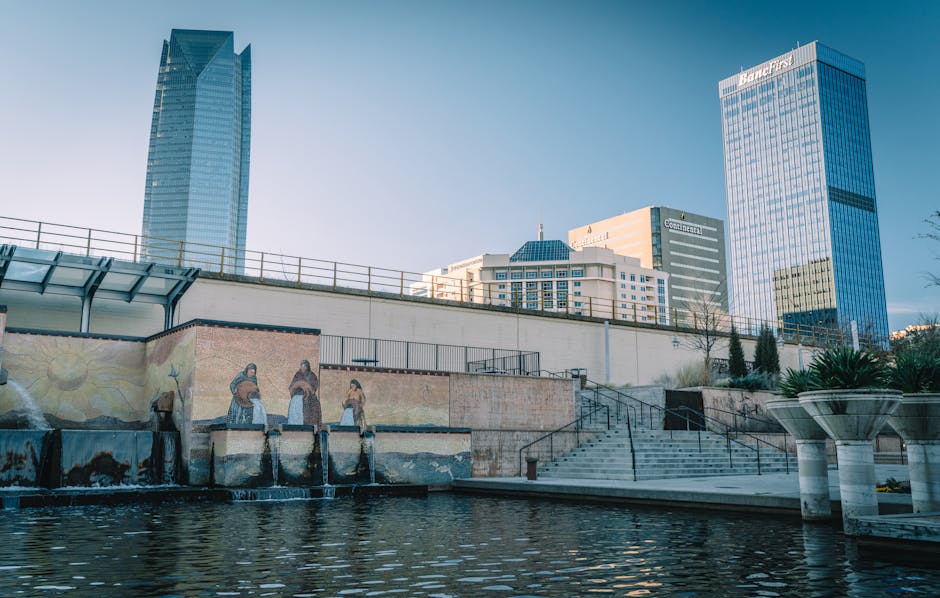
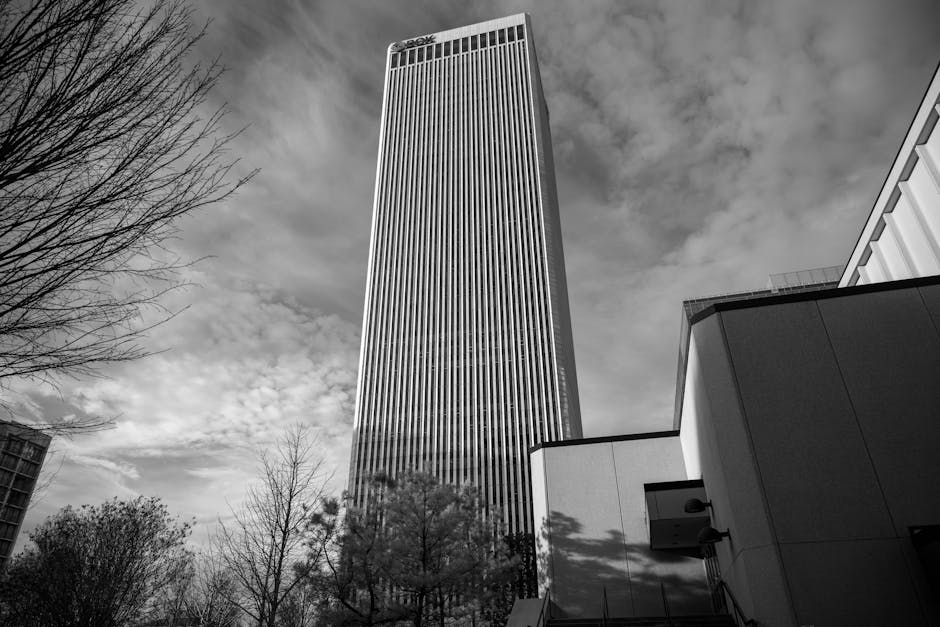
Each metro has its own dedicated service page with local industrial context.
If You're In Oklahoma, We Cover You.
OKC and Tulsa are our highest-volume Oklahoma territory, but Lone Wolf serves industrial facilities throughout the state — Lawton, Norman, Enid, Stillwater, McAlester, Bartlesville, Ardmore. If your facility runs cooling towers, boilers, or industrial wastewater treatment in Oklahoma, we can build a program around it.
For Oklahoma customers with multi-state operations, regional coverage extends to Texas, Louisiana, Arkansas, and Missouri — one program design, one accountable provider, multi-state.