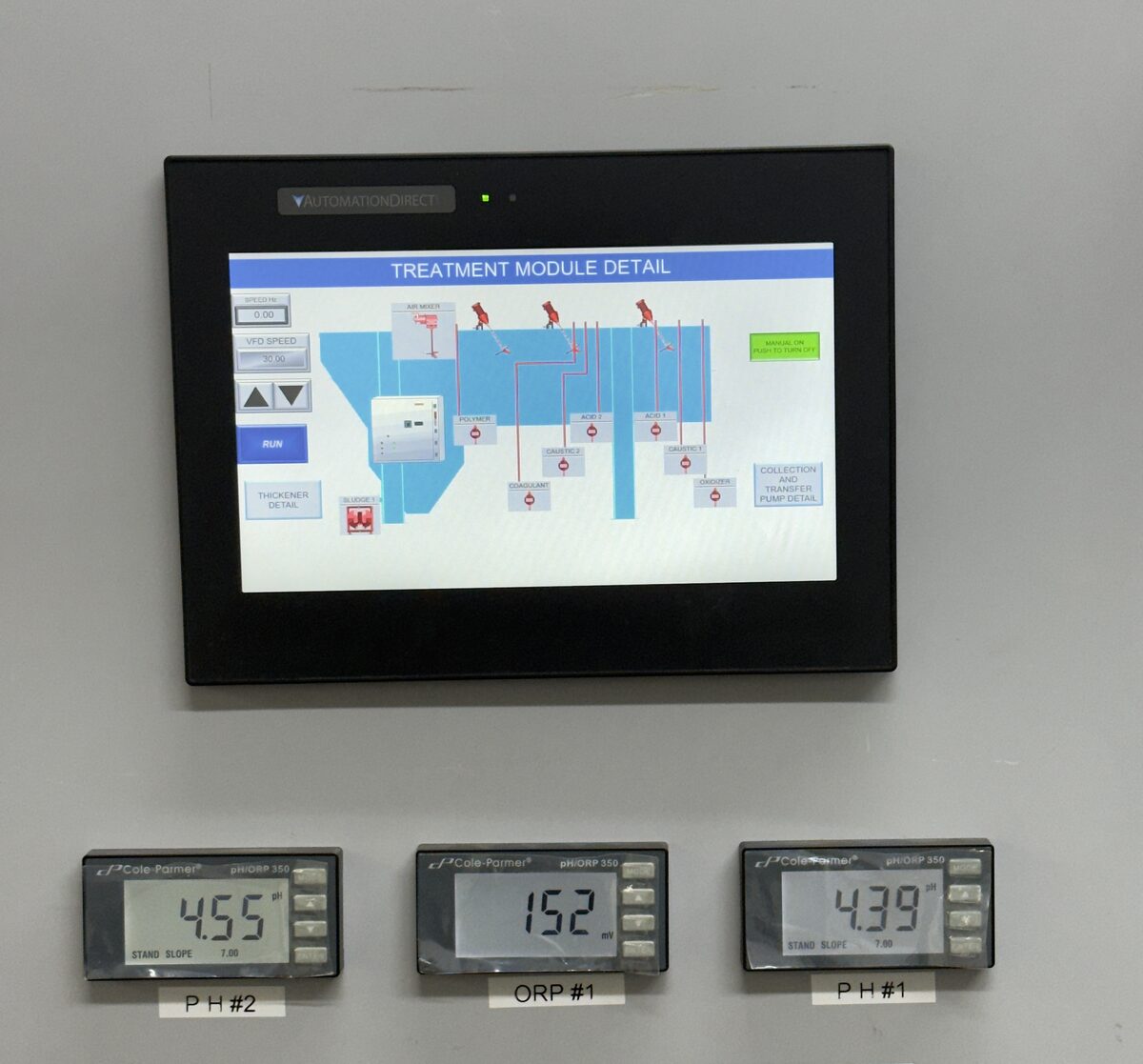
Industrial Water Treatment Across the Permian Basin.
Midland-Odessa metro and the broader Permian Basin: oilfield services, midstream cooling, produced water treatment, frac water programs, and the operations support facilities that anchor the basin economy. Cooling tower programs sized to high-salinity makeup water; wastewater chemistry designed for the matrices that come out of Permian operations.
Permian Basin Water Treatment Is Unlike Any Other Texas Metro.
The Permian Basin industrial water profile doesn't translate from any other Texas metro. Makeup water carries higher salinity, harder dissolved solids, and chemistry that defeats inhibitor programs designed for the rest of Texas. Cooling tower programs here run with carefully calibrated LSI targets, scale inhibitor blends that handle the basin's chemistry, and biocide programs that often need to be tightened to deal with the biological load that comes with high-TDS makeup water. Programs designed for DFW or Houston cooling towers under-perform in Midland-Odessa.
The Permian operational reality includes service distance. Midland-Odessa is ~5 hours from Fort Worth, and the broader Permian Basin extends well beyond the immediate metros — Pecos, Monahans, Big Spring, and the dispersed operations across Andrews and Reeves Counties. Service visits are planned around the basin's operational rhythm, with dedicated reps positioned for the territory. Same chemistry rigor as our higher-density urban accounts — adapted to the geographic spread.
Produced water treatment, frac water chemistry, and oilfield services wastewater programs are the other Permian distinction. Most generic water treatment providers don't run programs for these matrices; we do. Programs include the chemistry for high-salinity wastewater treatment, biological control for stagnant produced water, and the documentation that holds up under TCEQ produced water regulatory requirements. The Permian isn't a side market for us — it's territory where the specialty chemistry pays off.
Programs across the verticals we serve, adjusted to the Midland–Odessa operational profile.
Common Questions — Midland–Odessa
Do you serve oilfield services and produced water customers?
Yes. Permian oilfield services, produced water treatment, and frac water programs are part of our standard Midland-Odessa scope. Programs include the chemistry for high-salinity wastewater, biological control for stagnant produced water, and TCEQ produced water documentation support.
How does service frequency work in the Permian?
Cooling tower programs typically receive biweekly visits in Midland-Odessa proper; broader Permian operations on monthly cadence with documented chemistry adjustments between visits. Reps are positioned for the territory and reachable between visits.
Do you handle Permian-area cooling tower chemistry differently?
Yes. High-salinity makeup water defeats inhibitor programs designed for the rest of Texas. Programs include scale inhibitor blends calibrated for basin chemistry, LSI targets that hold under the makeup profile, and biocide programs sized for the biological load that comes with high-TDS water.
Are you set up for multi-site Permian contracts?
Yes. Multi-site programs across Midland, Odessa, Pecos, Monahans, Big Spring, and broader basin operations benefit from consolidated chemistry programs and unified service reporting.
Site Evaluations Are No-Charge.
Schedule a no-charge site evaluation — your dedicated rep walks the equipment, samples the chemistry, reviews your records, and writes up an honest assessment of where your program is.