
PFAS DON'T BREAK DOWN. UNTIL NOW.
Per- and polyfluoroalkyl substances resist every conventional treatment technology. Electrochemical oxidation with boron-doped diamond electrodes breaks the C–F bond — the strongest bond in organic chemistry — directly at the electrode surface.
Electrochemical oxidation (EOx) is a destructive water treatment technology that mineralizes persistent organic contaminants — including PFAS, 1,4-dioxane, pharmaceuticals, and refractory organics — into carbon dioxide and fluoride ions at boron-doped diamond electrodes. Unlike GAC or ion exchange which capture and concentrate contaminants for disposal, EOx destroys them at the electrode surface, eliminating the hazardous-waste stream.
The Bond. The Regulation. The Solution.
The C–F Bond Won't Break.
The carbon–fluorine bond is the strongest bond in organic chemistry — bond dissociation energy of ~485 kJ/mol. Conventional oxidants (chlorine, ozone, UV, permanganate) lack the energy to cleave it. Biological treatment ignores it entirely. Granular activated carbon and ion exchange capture PFAS but generate contaminated waste streams — they don't destroy the molecule.
Zero Discharge Is the Direction.
The EPA's 2024 PFAS MCL rule set enforceable limits for the first time. 4 ppt for PFOA and PFOS. PFAS is now on EPA's CERCLA hazardous substance list. State-level standards in Texas, Oklahoma, and across the country are tightening. Industrial dischargers, landfill leachate operators, and military site remediators are already under consent orders.
Mineralization, Not Concentration.
Electrochemical oxidation with boron-doped diamond electrodes generates hydroxyl radicals with oxidation potential of 2.8 V — enough energy to cleave the C–F bond directly. PFAS is not captured and concentrated; it is converted to carbon dioxide, fluoride ions, and water. No contaminated waste stream to manage downstream.
EOx Reaction at the BDD Electrode
Electrochemical oxidation is not a separation process — it is a destruction process. PFAS molecules are broken apart at the electrode surface into harmless inorganic end-products.
Hydroxyl radicals attack and cleave the C–F bond — the PFAS molecule disassembles into inorganic end-products. No PFAS in the effluent, no concentrated waste stream to manage.
EOx vs. Conventional PFAS Treatment
| Criteria | Electrochemical Oxidation (EOx) | Granular Activated Carbon | Ion Exchange Resin | Reverse Osmosis |
|---|---|---|---|---|
| Destroys PFAS molecule? | ✓Yes — mineralization | ✗No — concentrates | ✗No — concentrates | ✗No — concentrates |
| Secondary waste stream? | ✓None | ✗Spent GAC (PFAS-laden) | ✗Spent resin + brine | ✗Concentrated reject |
| Bulk chemical required? | ✓None — electricity only | —Replacement media | —Regenerant chemicals | —Antiscalant, cleaning |
| PFAS removal efficiency | >99% mineralization | 95–99% capture (not destroyed) | 95–99% capture (not destroyed) | 90–99% rejection (concentrate) |
| Treats concentrate stream? | ✓Yes — handles high-TDS | ✗Not suitable | ✗Not suitable | ✗Generates it |
| Long-term disposal liability | ✓None — molecule destroyed | ✗Hazardous waste disposal | ✗Hazardous waste disposal | ✗Concentrate must be treated |
- Destroys PFAS molecule?
- ✓Yes — mineralization
- Secondary waste stream?
- ✓None
- Bulk chemical required?
- ✓None — electricity only
- PFAS removal efficiency
- >99% mineralization
- Treats concentrate stream?
- ✓Yes — handles high-TDS
- Long-term disposal liability
- ✓None — molecule destroyed
- Destroys PFAS molecule?
- ✗No — concentrates
- Secondary waste stream?
- ✗Spent GAC (PFAS-laden)
- Bulk chemical required?
- —Replacement media
- PFAS removal efficiency
- 95–99% capture (not destroyed)
- Treats concentrate stream?
- ✗Not suitable
- Long-term disposal liability
- ✗Hazardous waste disposal
- Destroys PFAS molecule?
- ✗No — concentrates
- Secondary waste stream?
- ✗Spent resin + brine
- Bulk chemical required?
- —Regenerant chemicals
- PFAS removal efficiency
- 95–99% capture (not destroyed)
- Treats concentrate stream?
- ✗Not suitable
- Long-term disposal liability
- ✗Hazardous waste disposal
- Destroys PFAS molecule?
- ✗No — concentrates
- Secondary waste stream?
- ✗Concentrated reject
- Bulk chemical required?
- —Antiscalant, cleaning
- PFAS removal efficiency
- 90–99% rejection (concentrate)
- Treats concentrate stream?
- ✗Generates it
- Long-term disposal liability
- ✗Concentrate must be treated
Four Industrial Applications
PFAS-Contaminated Wastewater
Industrial process discharge, landfill leachate, and groundwater remediation streams. Polish to non-detect or compliance limits without generating a concentrated reject. Integrates downstream of pretreatment or as a final polish before discharge.
IX / GAC Regeneration Brines
The "destroy-the-concentrate" problem. When IX or GAC pulls PFAS out of a feed water, the regeneration brine becomes a hazardous waste. EOx mineralizes the concentrate so the only downstream stream is salt water.
RO Reject Streams
RO concentrates PFAS into a smaller-volume reject — still contaminated, still requires disposal. EOx polishes the RO reject to destruction-grade end-products, enabling zero-liquid-discharge designs without permanent waste.
AFFF / Aqueous Film-Forming Foam Sites
Military bases, airports, and fire training sites with legacy PFOA/PFOS contamination from AFFF use. Site groundwater treatment and on-site destruction of stockpiled AFFF foam, eliminating disposal liability.
The Compliance Clock Has Started.
EPA PFAS MCL (2024): 4 ppt MCL for PFOA and PFOS in drinking water systems. Five-year compliance window for monitoring; eight years for treatment installation. · CERCLA: PFOA and PFOS designated hazardous substances — Superfund-grade liability for releases and historical disposal. · EPA Method 1633: 40 PFAS compounds in wastewater, surface water, sediment, biosolids; pretreatment standards under development. · State levels in Texas, Oklahoma, Missouri, Louisiana, and Arkansas are tightening with various enforcement timelines.
Where We've Deployed EOx
Beyond PFAS, BDD electrochemical oxidation handles a wide range of recalcitrant industrial waste streams.
From Bench Test to Industrial Scale
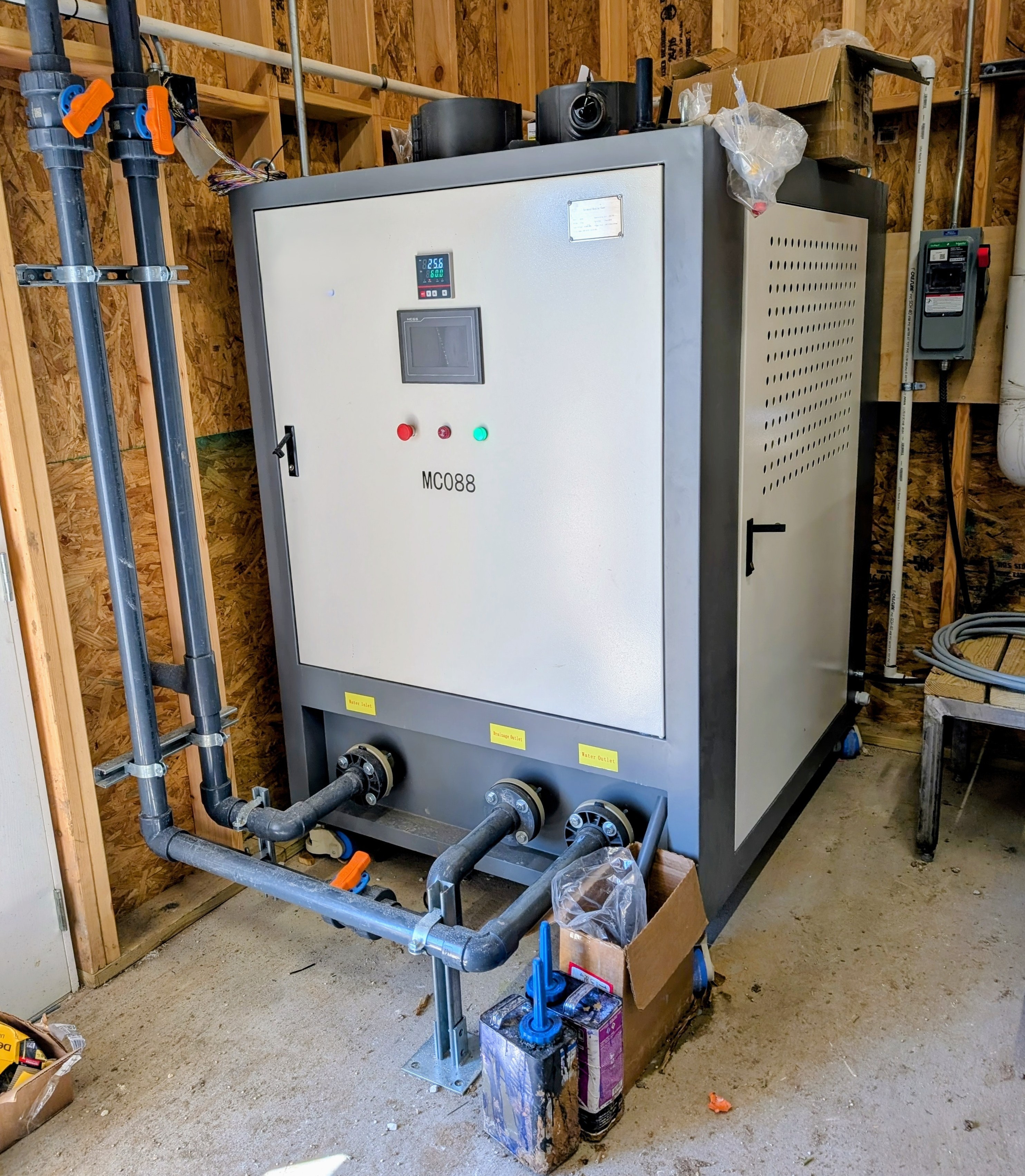
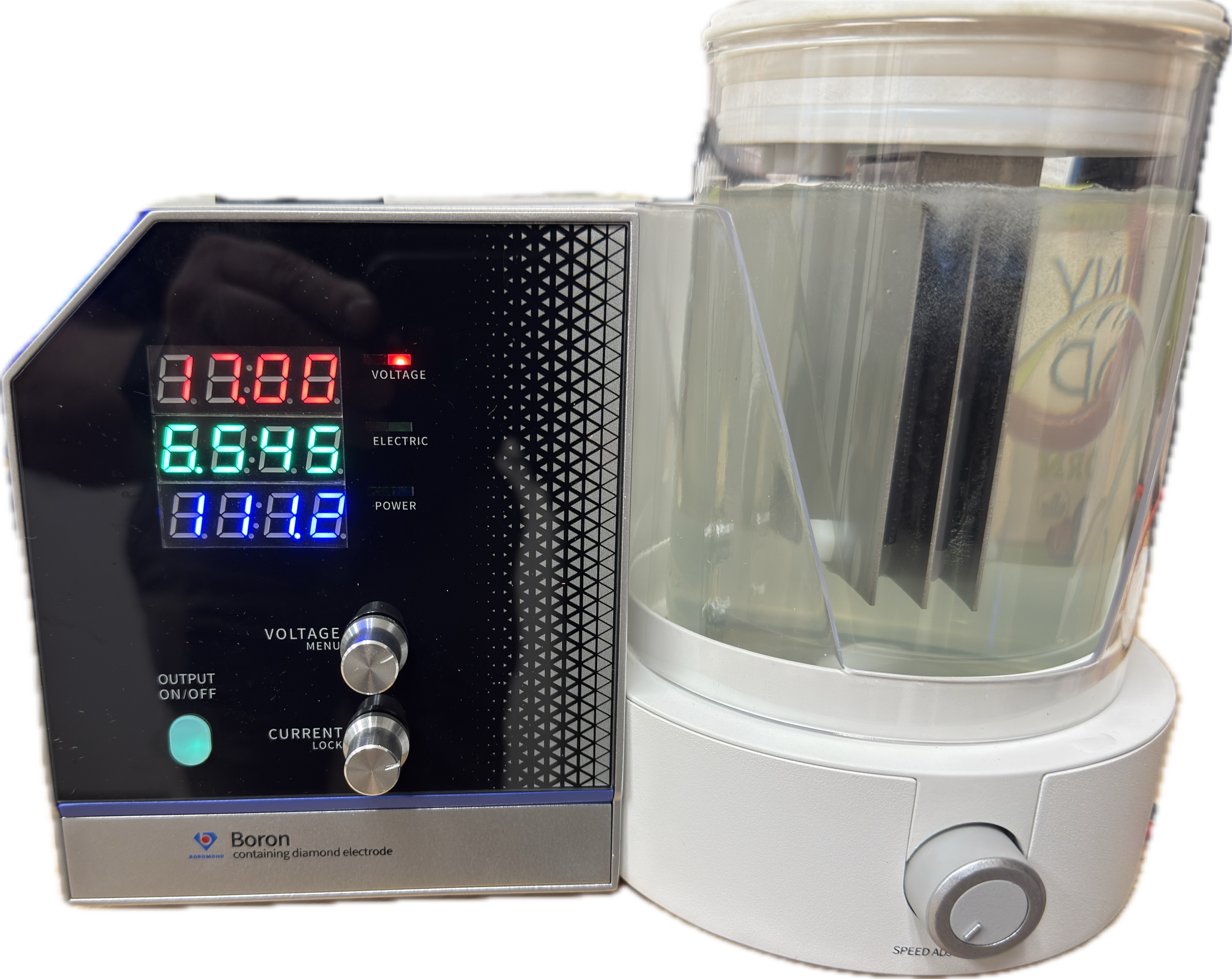
We start with bench-scale testing on your actual wastewater — confirms the chemistry before any capital commitment. Field-scale systems are skidded, modular, and integrate into existing treatment trains.
PFAS in Your Discharge? Test, Don't Guess.
Send us a sample of your wastewater. We run bench-scale EOx, characterize PFAS destruction at multiple current densities, and write up an honest assessment of what a field-scale system would look like and what it would cost to run. No charge for the bench work.
Five-state coverage across TX, OK, MO, LA, AR. Chemical emergency response via CHEMTREC 800-424-9300 (24/7).
Frequently Asked Questions
What is electrochemical oxidation (EOx)?
Electrochemical oxidation is a destructive water treatment technology that uses boron-doped diamond or similar electrode surfaces to break persistent organic contaminants down to their molecular components. Unlike GAC or ion exchange — which capture and concentrate contaminants — EOx destroys them at the electrode surface.
Does EOx destroy PFAS or just capture it?
EOx destroys PFAS. The technology mineralizes per- and polyfluoroalkyl substances into carbon dioxide and fluoride ions at the electrode. This is a fundamental difference from GAC or ion exchange, which produce a concentrated waste stream requiring incineration or landfill under emerging regulatory restrictions.
What contaminants does EOx target?
PFAS (short-chain and long-chain), 1,4-dioxane, pharmaceuticals, hormones, industrial solvents, and refractory organics that survive conventional biological treatment. EOx is not a general-purpose polishing step — it's applied where destruction of specific persistent contaminants is required for discharge, reuse, or regulatory compliance.
How does EOx compare to granular activated carbon (GAC) for PFAS?
GAC captures PFAS onto carbon that becomes hazardous waste requiring disposal — a lifecycle cost and liability that grows as regulatory limits tighten. EOx destroys PFAS in place, no captured-waste stream. GAC is cheaper upfront; EOx is often cheaper over the operating life once disposal and change-out costs are included.