
A Dedicated Rep, Not a Call Center.
Switching clients tell us the same story: their previous provider was hard to reach and rarely on-site. We do it differently. One point of contact. Regular site visits. Data reviewed in person. When ATP spikes or conductivity drifts, you hear from us — before it becomes a bigger problem.
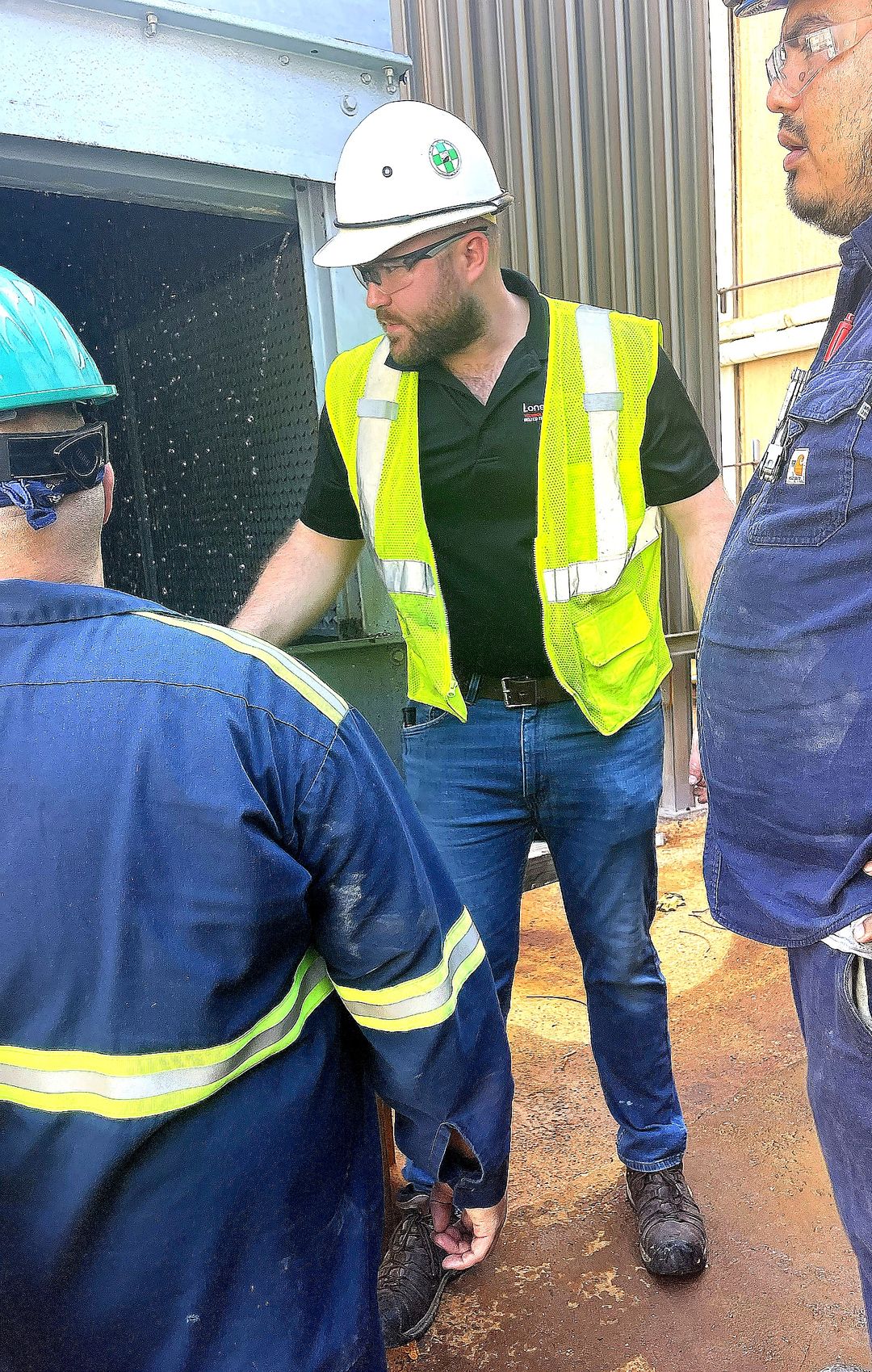
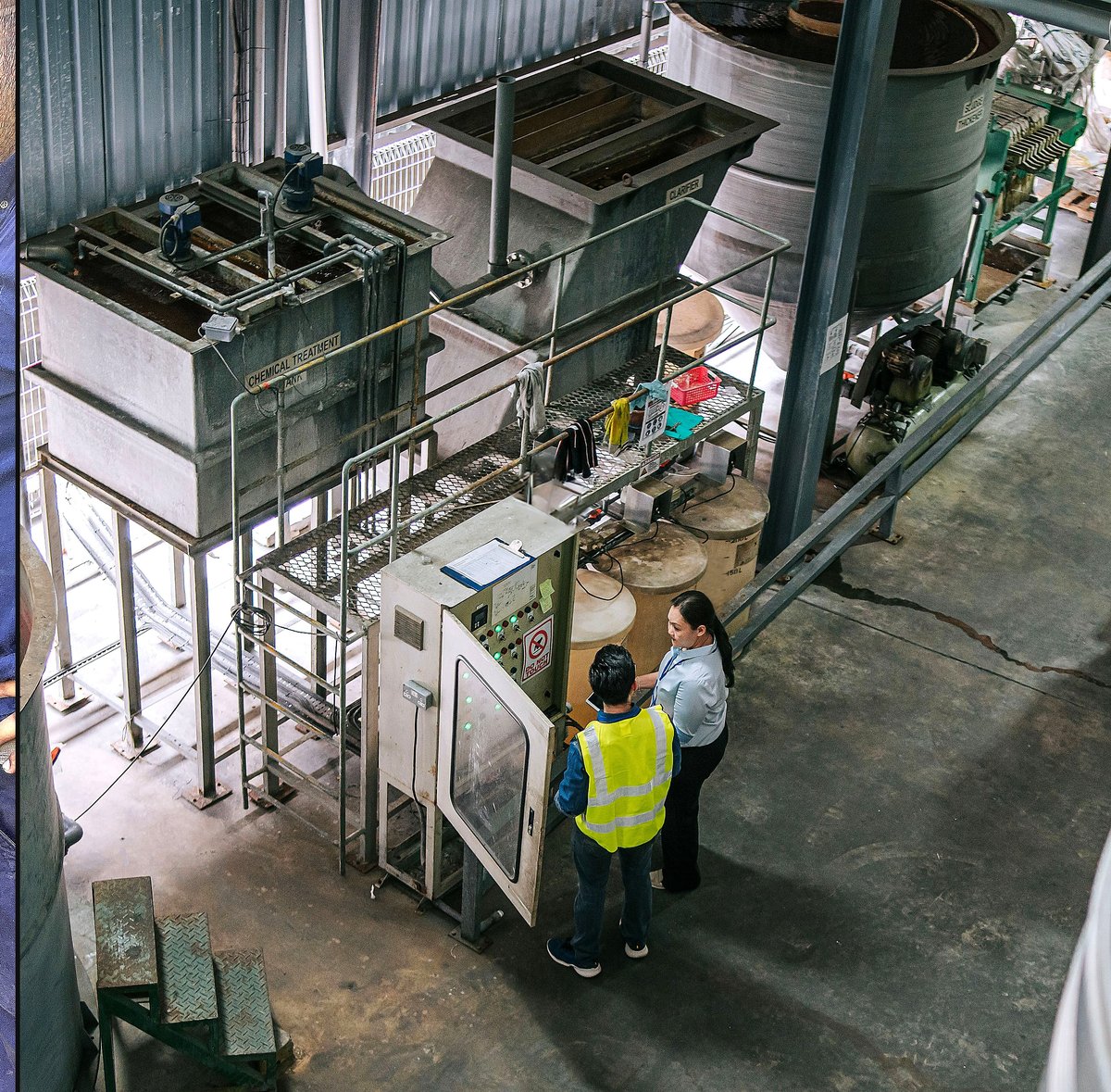
Chemistry Readings, System Observations, Real Decisions.
Every visit starts with a system walk-through and a chemistry sample. We pull conductivity, pH, alkalinity, and inhibitor residuals on-site. ATP testing on cooling towers gets the microbiological read your panel won't tell you. We log everything, talk to your operator, and adjust dosing where the readings show it's needed.
Every visit ends with a written service report — emailed to you, archived for audit/permit support, and tied to real readings. When we recommend a change, you'll see the reading that triggered it.
- Conductivity & pH on-site
- ATP biological monitoring
- Inhibitor residual checks
- Microbiological observation
- Dosage adjustments documented
- Service report on every visit
Real Numbers, Not a Delivery Slip
A service report is the audit trail of your water treatment program. Every Lone Wolf visit produces one.
Chemistry Readings
Conductivity, pH, alkalinity, hardness, free oxidizing biocide residual, inhibitor residual, ATP relative light units. Every reading dated and time-stamped.
System Observations
Tower-deck and basin conditions, sump cleanliness, drift eliminator status, makeup water source, blowdown function, biological growth — written notes, not check-boxes.
Adjustments Made
Dosage changes, pump rate updates, biocide rotation step, blowdown setpoint changes. Each adjustment tied to the reading that triggered it.
Recommended Actions
Items requiring your maintenance team's action before the next visit: probe calibrations, valve repairs, equipment cleaning, sampling pulls. Closed-loop on the next report.
Real People After Hours, Not a Voicemail Tree.
A technical service representative is on call 24 hours a day. The main number (866-LONEWOLF) routes after-hours emergencies to a real person who can talk through what's happening and dispatch a tech if needed.
For chemical emergencies — spills, exposures, transportation incidents — CHEMTREC is 800-424-9300, available 24/7.
Field Service FAQ
How often does my dedicated rep visit?
Cadence is set per system at program design. Most cooling towers receive weekly or biweekly visits; boilers and closed loops typically biweekly or monthly. Every visit ends with a documented service report.
Do I get the same rep every visit?
Yes. One point of contact per account. Your rep knows your system, your operators, and your maintenance history — and you know who to call.
What happens when something goes wrong after hours?
A technical service representative is on call 24 hours a day. The main number (866-LONEWOLF) routes after-hours emergencies to a real person. For chemical emergencies, CHEMTREC is 800-424-9300.
What's in a service report?
Every report includes the day's chemistry readings (conductivity, pH, ATP if applicable, inhibitor residuals), any system observations, dosage adjustments made, and recommended actions before the next visit. Reports are emailed and archived for permit and audit support.
Can my operators reach the rep between visits?
Yes. Cell number, email, direct line — whatever works. Reaching your rep between visits is the whole point of "dedicated rep" — and the part you won't get from a corporate service line.